


Steps to Build an Accessory Dwelling Unit: A Comprehensive ADU Building Process
Building an accessory dwelling unit (ADU) is an excellent way to maximize the potential of your property. Whether you want to create additional rental income, provide housing for family members, or increase your home's value, understanding the steps involved in the ADU building process is essential. This guide will walk you through the key stages of planning, designing, and constructing an ADU, ensuring you make informed decisions every step of the way.
Understanding the ADU Building Process
The ADU building process begins with thorough planning and research. It is crucial to familiarize yourself with local zoning laws, building codes, and permit requirements in Los Angeles. These regulations dictate the size, placement, and design of your ADU. Consulting with a professional who understands these rules can save you time and prevent costly mistakes.
Once you have a clear understanding of the legal framework, the next step is to design your ADU. This involves deciding on the layout, number of rooms, and the overall style that complements your existing property. Working with an architect or a design-build firm can help you create a functional and aesthetically pleasing unit.
After finalizing the design, you will need to obtain the necessary permits from the city. This process can take several weeks, depending on the complexity of your project and the responsiveness of local authorities. It is important to submit complete and accurate documentation to avoid delays.
With permits in hand, construction can begin. This phase includes site preparation, foundation work, framing, electrical and plumbing installation, insulation, drywall, and finishing touches such as flooring and paint. Throughout construction, regular inspections ensure compliance with safety and quality standards.
Finally, once construction is complete and inspections are passed, you can move into your new ADU or rent it out. Proper maintenance will keep your unit in excellent condition for years to come.

Key Steps in the ADU Building Process
To break down the ADU building process into manageable steps, consider the following:
Site Assessment and Feasibility Study
Evaluate your property to determine the best location for the ADU. Consider factors such as sunlight, privacy, access, and utility connections. A feasibility study will help identify any potential obstacles, such as easements or environmental restrictions.
Design and Planning
Collaborate with professionals to create detailed plans. This includes architectural drawings, structural engineering, and mechanical systems design. Prioritize energy efficiency and sustainability to reduce long-term costs.
Permitting and Approvals
Submit your plans to the local building department. Be prepared to address any feedback or required modifications. Securing permits is a critical step before construction can begin.
Construction
Hire a reputable contractor experienced in accessory dwelling unit construction. The contractor will manage the building process, coordinate subcontractors, and ensure adherence to the timeline and budget.
Inspections and Final Approval
Schedule inspections at various stages of construction. Passing these inspections is necessary to obtain a certificate of occupancy, which legally allows you to use the ADU.
Move-In and Use
Once approved, your ADU is ready for occupancy. Whether you choose to rent it out or use it for family, the unit adds significant value and flexibility to your property.
Throughout this process, clear communication and careful planning are essential. By following these steps, you can confidently navigate the complexities of ADU development.
What is the $40,000 Grant in California for ADUs?
California offers a $40,000 grant program designed to encourage homeowners to build accessory dwelling units. This grant aims to address the housing shortage by making ADU construction more affordable. Eligible applicants can receive financial assistance to cover design, permitting, and construction costs.
To qualify for the grant, homeowners must meet specific criteria, including income limits and property location. The program prioritizes projects that increase affordable housing options and support sustainable development.
Applying for the grant involves submitting detailed project plans and financial documentation. It is advisable to work with a knowledgeable contractor or consultant who can guide you through the application process and ensure compliance with program requirements.
This grant significantly reduces the financial burden of building an ADU, making it an attractive option for many property owners in Los Angeles.
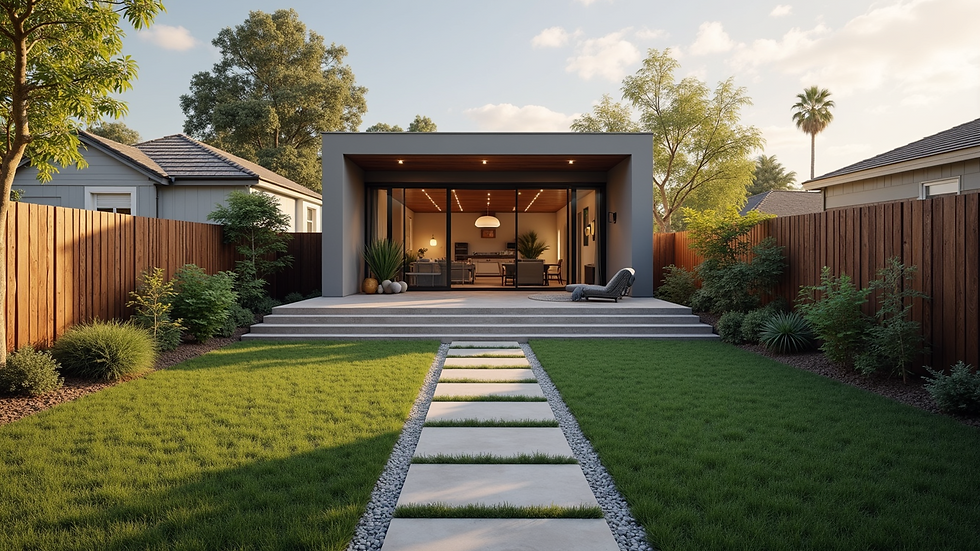
Practical Tips for Successful Accessory Dwelling Unit Construction
Successful accessory dwelling unit construction requires attention to detail and strategic planning. Here are some practical tips to help you achieve the best results:
Choose the Right Contractor
Select a contractor with proven experience in ADU projects. Check references, review past work, and ensure they understand local regulations.
Plan for Utilities Early
Coordinate with utility providers to connect water, electricity, gas, and sewage. Early planning prevents costly delays during construction.
Maximize Space Efficiency
Design your ADU to make the most of limited space. Consider multi-functional furniture, open floor plans, and built-in storage solutions.
Incorporate Energy-Efficient Features
Use energy-efficient windows, insulation, and appliances. These features reduce utility bills and increase the unit’s appeal.
Maintain Open Communication
Keep regular contact with your contractor and design team. Address issues promptly to avoid misunderstandings and project delays.
Budget for Contingencies
Set aside funds for unexpected expenses. Construction projects often encounter unforeseen challenges that require additional resources.
By following these recommendations, you can ensure your ADU project proceeds smoothly and meets your expectations.
Leveraging Professional Expertise for Your ADU Project
Navigating the complexities of accessory dwelling unit construction can be challenging without professional support. Engaging experts such as architects, engineers, and experienced contractors is invaluable. They bring technical knowledge, regulatory insight, and project management skills that streamline the process.
For example, a skilled contractor can help you select materials that balance cost and durability. An architect can design a unit that complements your existing home while maximizing functionality. Engineers ensure structural integrity and compliance with safety standards.
Moreover, professionals can assist with the permitting process, reducing the risk of delays. They also provide transparent cost estimates and timelines, helping you plan effectively.
Choosing the right team is a critical investment in the success of your ADU project. Their expertise ensures quality workmanship and a positive building experience.
For those interested in expert assistance, accessory dwelling unit construction services offer comprehensive solutions tailored to your needs.
Enhancing Property Value and Flexibility with an ADU
Building an ADU is not only a practical solution for additional living space but also a strategic investment. An ADU increases your property's market value and provides flexibility for future needs.
For instance, you can use the unit as a rental property, generating steady income. Alternatively, it can serve as a private space for aging parents, adult children, or guests. Some homeowners convert ADUs into home offices or creative studios.
The versatility of an ADU makes it a valuable asset. It enhances your property's appeal to potential buyers and adapts to changing lifestyle requirements.
By carefully planning and executing the ADU building process, you create a lasting benefit that enriches your property and lifestyle.
Building an accessory dwelling unit is a rewarding endeavor that requires careful planning, professional guidance, and attention to detail. By following the outlined steps and leveraging available resources, you can successfully add a functional and attractive ADU to your property. This investment not only increases your home's value but also provides versatile living options for years to come.


